Showing posts with label Real Health. Show all posts

Monday, February 2, 2015

Radically Natural Retirement: Final Words and Thanks

It's time to say good-bye.

Ironically, I spent hours over the last week writing this final post, in which I attempted to cover all the important ground I have yet to cover, to finish all the half-written articles in my draft box.  It was my final attempt to make a positive impact on the health and lives of anyone willing to read my words.  Alas, the Internet ate my post...all that work just disappeared.  I kind of want to cry a little, I definitely want to throw something.  My husband asked, "You didn't write and save it in a Pages doc first?"  Ah, that would have been far too sensible.  Why not trust the blogger edit window and it's little "save" button?  I mean, this is the golden age of technology.  What could go wrong?!  Haha...  So I'm taking this loss as a sign from God that I am not meant to say all the things I wrote.  And I suppose that's a fitting end to this experiment of mine, my relationship with the blogging world and with trying to convince people of health reality as I see it.

It may come as no surprise that I am retiring Radically Natural Living.  My presence here has been spotty at best in the last year.  I started this blog at the encouragement of a friend, with the goal of sharing my experience and background in the healing arts...and I enjoyed attempting to share and work in this medium.  I have learned much, and I hope I have taught something of value.  But in all honesty, the fast-paced modern Internet world of blogging and social media just isn't for me.  I remember and prefer the web world before the blogging boom, when sites were slow-paced research-oriented encyclopedias.  Attempting to create, design and understand the technical aspects of the blogging platform takes its toll on an old-school gal like myself.  While I must admit to myself that I stole time from more needful responsibilities to create RNL, I do not regret all the hours spent in planning and writing articles, if I was able to minister to peoples' wellness.  But I cannot continue to burn my candle at both ends.    

I leave the world of Real food, Real health and Real birth blogging to more capable hands and voices, and I look forward to enjoying their continued works.  While I will not be maintaining this blog any further, it will still exist in this space, so I hope my past offerings might continue to be used as a resource.  I will be canceling the custom URL, so this blog may be found in future at www.radicallynatural.blogspot.com.  I might publish a finalized RNL index sometime following this post.

Time permitting, I will continue to work (slo--w--ly) on my EveryWiseWoman Herbals site, which already contains many articles and white papers I have written, as well as my storefront for HerbalAide Super Salve, Labor Oil, and whatever remedies time allows me to offer in future.

Some of you I know, most of you I do not.  I want to thank you all, truly, for your support in the short life of this blog.  I did not accomplish all I set out to do, but that is part of the learning experience.  At times, I tried too hard to be clever, or I neglected to restrain my frustrations with the "state of things" (I was far too snarky as I raged against the machine).  I experienced valuable illuminations during this process, and I have been forced to examine my priorities and goals.  But this has been an enlightening and challenging experience for me, and I appreciate your participation as readers!  There are so many things I wanted to teach, to share, to reveal, but I leave that to others, including all of you.  For you are your own best teacher, when you truly desire to learn and to pursue truth and personal responsibility for your wellness.  It isn't anyone else's job to figure things out and apply the knowledge...it's your job.

For my final act, I will condense some of my favorite ideas and health advice that I desire to leave with willing readers.  (I will not be supplying info links, as my final challenge is that you do the study.)  I am attempting to be quick, not curt, and I share because I care...not just to hear the sound of my own typing.  :)  These are the topics I hope people will study with fervor, applying the accumulated healing knowledge to their lives.

  • Health begins in the gut.  If yours is leaky or riddled with malevolent pathogens, you are not healthy...your immunity, your brain function, your hormones, your ability to absorb nutrients, your EVERYthing depends on your gut health.  Your children's gut health began with your gut health.  If you have eaten modern food or used pharmaceuticals (including but not limited to antibiotics, vaccines, NSAIDs, birth control pills) in your lifetime, you have a leaky and/or pathogenic-overrun gut.  In other words, we all have some level of gut dysbiosis.  Fix it.  Learn how.  (GAPS is an excellent answer, likely the best answer, but not the only answer.)  
  • After you have healed your gut, live on a Nourishing Traditions diet and shun industrial food.
  • Brain chemistry disorders (depression, autism spectrum disorders, anxiety, ADHD, brain fog, OCD, etc.) are not all in your head (and they are never "just because")...they often stem from issues in the "second brain," i.e., your gut, and/or substances you put into your body (which can cause gut dysbiosis), and/or nutrient deficiencies (which can stem from gut dysbiosis).  See point one.  Also, suspect and correct vitamin D deficiency (if using food sources, see point one).  
  • If you choose to do the GAPS healing protocol, please, first read the book!  Study die off and withdrawal.  Understand that a healing crisis will occur (in which you will feel worse before you get better).  Expect die off symptoms (a flare up of any previous allergy or GI symptoms, lethargy, crankiness, sleep disturbances, headaches, nausea, vomiting, etc.), and initial lethargy and hunger from ketogenesis (your body switching from burning carbs to burning fat).  You must do GAPS Intro and then stick with Full GAPS for at least 6 months (two years is optimum) to see real results.  You cannot cheat and expect it to work.  Anything worth doing is difficult...real healing takes time, and being truly well demands real effort.  
  • Doing GAPS Intro for a couple weeks once a year is a wonderful way to detox and rebalance your gut flora and strengthen the integrity of the gut walls.  Doing GAPS Intro during or after a significant illness is very healing.
  • When doing GAPS, understand histamine sensitivity and how it might impact your healing process.  Allergic people are prone to histamine sensitivities, and fermented foods and other foods can increase histamine levels in the body, exacerbating symptoms like eczema.  Work on resealing the gut before introducing fermented foods.  Proceed with ferments slowly and do not be discouraged.  Healing takes time.
  • Healing takes time.  It's worth restating; it's a principle never to be overlooked.  Healing is a process.  Anything worth doing takes hard work and commitment, and healing is no different.  Taking drugs that suppress symptoms is never healing.  If you want to heal for real, you need to accept the time and effort involved.  You need to accept the healing crisis, in which you can feel worse before you feel better.
  • Coffee is a drug.  Of primary concern is coffee's damage to the adrenal glands.  The alert "high" you feel when ingesting coffee comes at a cost, overstimulating adrenal response, eventually leading to adrenal fatigue...coffee is an addictive substance that does not add energy, it creates fatigue.  Coffee also contributes to brain fog, cross-reacts with gluten antibodies (leading to gluten sensitivity symptoms), constricts blood vessels, creates acidity, imbalances blood sugar, and produces gut inflammation.  Coffee consumption will catch up with you someday.  If you use coffee to "wake up" or stay alert, if you are saying, "I love coffee.  There's nothing wrong with coffee.  I drink it everyday and I'm not going to stop..." or, "I might be willing to try other things to get healthy, but I won't give up my coffee..." or you're just plugging your ears, squeezing your eyes shut and saying, "Nah, nah, nah, coffee good, coffee good," or if you feel fatigued or headachy or cranky when you don't get your coffee, you need to consider the reality that you are an addict.  You can get flavanoids and natural stimulation from good foods and herbs that do not contain dangerous addictive substances (try cayenne, maca, and coconut oil...not necessarily mixed together, hahaha).  So do yourself a favor and kick the coffee habit.  Detox baths and extra hydration can help with the withdrawal symptoms.  
  • Sugar can be a nutrient-sucking substance that depresses immune function (by damaging nuetrophil responsiveness), feeds malevolent flora, and makes us fat.  Some forms of sugar are bad, others are worse, some are OK.  (Hint: agave is not OK, neither is dehydrated cane juice, which is just a fancy name for a type of refined sugar.)  Study mono vs. poly saccharides and how they affect gut flora, understand blood sugar reactions, study the glycemic index, study fructose and your liver, study insulin resistance, understand how sugar feeds cancer, study various sugar forms' processing procedures and nutrient profiles.  Consider that raw, unprocessed honey (a monosaccharide) is the only natural sweetener that requires no processing whatsoever before consumption, and contains antimicrobial and probiotic benefits.
  • Real fat is a lifesaver.  Eat more.  Your brain, your hormones, your heart, your joints, your tissues, every cell in your body will thank you.  Good fats nourish and satiate us, and never make us fat.  If you love your kids, feed them real fat...and lots of it.  Fat-free or low-fat diets and fake fats (trans fats, vegetable fats) are making us stupid and killing us.  Study why. 
  • Modern grains are inflammatory and can "rip up" your gut.  Going gluten free won't fix the root cause of your gluten problem.  Modern wheat, hybridized for production, grown in synthetic monoculture environments, manipulated for higher gluten content, is a substance no longer recognized by the human body as a healthy, digestible food.  Study the impact of wheat protein, study the ancient alternatives, understand the conventional wheat harvesting process (Roundup, roundup, everywhere), and know that you must remedy your gut health (see point one).
  • Milk can be deadly poison.  Adulterated commercial industrial milk is not food...it contributes to serious health problems, including autoimmune disorders.  If you are not drinking whole, raw, grassfed milk from cows that spend time outside in healthy pastures, don't drink milk at all.  Understand that if you have leaky gut, you likely cannot tolerate even Real Milk.  Heal your gut first, then try Real Milk.  Goats' milk is naturally more digestible for humans than is cows' milk (it's just a molecular reality).  Study the issue of A1/A2 milk and understand heritage breeds vs. frankencows.  Consider the old adage:  Goat milk for drinking, cow milk for butter, sheep milk for cheese.
  • Toxins are everywhere and we need to be aware, practice avoidance, and build and cleanse our bodies through detoxification and nourishment.  Study EMF pollution, industrial food (especially chemically based agriculture and CAFOs) and the pollution that system causes, air and water pollution sources, sick building syndrome, toxic toiletries, cleaning products, baby and feminine products...understand sources of chemicals in your everyday life...synthetic foods and supplements, wireless devices, VOCs, off-gassing formaldehyde, PDBEs, dioxins, drugs, etc.  Learn how to make or find alternatives, and change your lifestyle to reduce toxic load.
  • The FDA is not your friend.  Read all about it.  Dare I say more?  This unelected, corrupt, collusive, bullying, deceptive, profit-mongering (for its buddies) agency calls evil good and good evil.  While its "approved" drugs harm (and even kill) people, the FDA spreads fear and lies about botanical medicine...the (non-patentable, ergo "non-profitable") plants that actually can and do cure illness and disease (competition for the medical industry's drug system).  The FDA has a history of threatening and persecuting out-of-the box doctors, healers and providers who promote and use such remedies.  I recently parted ways with an essential oil company I previously promoted, after said company scoured my blog and informed me that I was out of "compliance" with its FDA-obeisance policies.  I will not comply with the FDA, and I will not do business with natural medicine suppliers who do not believe in the medicine they sell...who encourage their distributors to remain silent about the curative powers of those botanicals.  Apparently I have strong feelings about this.  I need to take a therapeutic magnesium salt and lavender bath.  
  • Vaccines are dangerous.  It's true.  Google it.  OK, kidding aside...study this prominent and essential issue (books, articles and videos abound on the topic)...be warned, it's not pretty.
  • Herbs are not drugs...they are Real Medicine, safe and effective.  Study and understand the whole herb methodology (it's the antithesis to the pharmaceutically influenced "slice/splice/isolate/synthesize" methodology).  Learn how to use botanical medicine properly and consistently.
  • Pregnancy is not an illness and birth is not an emergency.  (Exception: women in the small minority of high risk pregnancies...study the statistics.)  Midwives are pregnancy and birth experts; understand midwifery education and training.  Technological interventions do not make birth safer; homebirth is the safest place for normal birth (hospitals are for acute emergent traumas).  Understand the cascade of interventions and study the midwife model of care.  Don't dose your baby with cocaine during the birth process, don't traumatize yourself and your baby with a damage-causing, synthetic hormone to unnaturally force the process.  Don't become an industrial birth c-section statistic.  Learn how to birth and choose a midwife who will help you do so successfully.  Learn about VBACs.  Free yourself from birth fear!  
  • Healthy children begin with healthy mamas!  Learn the importance of natural child spacing both for mama's and future children's health.  Understand "second child syndrome"  and how to avoid it.  Embrace traditional wisdom...practice biological breastfeeding, co-sleeping and babywearing. 
  • The pregnant body exhibits wisdom (and heightened protective powers...remember "radar nose?").  Cravings for "pickles and ice cream" may be a long-held cultural joke, but is actually body knowledge brilliance.  Traditionally fermented pickles, a probiotic food, feed our body's beneficial flora, boosting immunity and promoting good flora to pass on to baby...not to mention keeping digestion working well throughout pregnancy.  Natural, old-fashioned, high-fat ice cream made with raw grass-fed whole milk and cream (and preferably honey over refined sugars) is a baby-building superfood, full of necessary fats and minerals.  Such dietary components keep pregnant mamas healthy and comfortable, help to build a healthy baby (bones, brain and gut), and prepare mama for nursing success.  
  • Our hormones are out of whack.  Thyroid and adrenal problems are the "new normal."  Irregular menstrual cycles and infertility are modern dilemmas.  Learn about your endocrine system.  Do a liver cleanse (the liver is an important part of the endocrine system).  Heal your gut.  Dump the drug habits and eat real food, particularly good fats and cholesterol (a "mother" hormone and a basic building block of every cell in your body).  Get more vitamin D (a steroid hormone precursor).  Learn about toxins, how to remove them from your body, and how to avoid them (including electronic pollution and EMF radiation).  During all your childbearing years, eat a nourishing fertility diet (look up the WAPF pregnancy/nursing/fertility diet), including fertility-boosting herbs like red clover.  Study lunaception.  Get more sleep. 
  • Your bowels tell you more about your health than most practitioners can.  Study the Bristol stool chart.  You should be passing a healthy bowel movement daily.  Nausea can be an indication of your need to empty your bowels.  Understand that sluggish and abnormal bowels (stinky, scanty, hard, etc.) contribute to toxicity, inflammation, systemic malfunctions and illness.  Become acquainted with the benefits of water enemas.  Coffee enemas can be used therapeutically; coffee acts differently in the body when used in an enema.  (Please study this first...you use very small amounts of low-roasted coffee for enemas, and sensitive people may not do well with coffee enemas...coffee enemas are serious detox therapy.)  Enemas are a wonderful way to detox.  Don't be squeamish, be a grown up and take care of your health.  Let's raise our kids with comfort and knowledge of natural bodily functions.
  • Body odor and skin condition reveal the status of your body's ecological health...this is gut dysbiosis in play again.  Strong and unpleasant body odor indicates flora imbalances.  Natural hygiene begins with systemic detoxification and gut health.  Skin eruptions (rashes, acne, etc) are also a sign of what is happening in your gut...food sensitivities and gut dysbiosis are the culprits.  Your outside reveals your inside, and the odors emanating from you, as well as the "stuff" erupting on your skin, reveal internal health.  (Bad breath can be microbial overgrowth, but can be exacerbated by dehydration.)
  • Dehydration is deceptively common.  Every cell in your body needs water to survive, let alone thrive.  Your brain will divert water from your other organs to ensure its survival.  The average adult body uses about 64 ounces of water daily just for survival processes.  We must replenish this and more daily.  Constipation, headaches, lethargy, loss of suppleness, blood viscosity, systemic toxic buildups...these and more are common side effects of dehydration.  Read Dr. Batmanghelidj's books and learn about your body's needs and cries for water.  (Always remember to replenish electrolytes, by eating more mineral rich salt.) 
  • Real salt is good for you.  Your body needs mineral-rich real salt.  Study why, and don't deprive yourself!
  • Magnesium is the unsung hero of the mineral world.  Study the effects of magnesium deficiency, and how essential magnesium is to muscles and nerves in your body.
  • Vitamin D!  Sun...pastured lard...oysters...nontoxic cod liver oil.  Vitamin D good, sunscreen bad.  Vitamin D good, synthetic versions bad.  Irradiated sheep lanolin?  Skip it!  Eat D rich foods and bathe in the sun (if you can get any).  Your skin synthesizes vitamin D from sun exposure, which is the best way to get D.  Alas, most of us never get enough D-rich sun.  So be sure to eat good D sources for at least 9 months of the year.
  • Real food matters.  Modern, industrial, chemically produced, synthetic, processed, denatured, neutered frankenfood is destroying our health.  Take responsibility for what you put in your mouth and feed your children.  Cutting corners and cheating will catch up with us.  Pay now or pay later.  Garbage in, garbage out!  
  • Laughter heals!  Among other benefits, laughter releases endorphins, which alleviate pain and speed healing.  (Laboring women should have their husbands tell them jokes...or turn on a Tim Hawkins DVD...especially during transition!)  Studies have shown that a positive outlook has a beneficial impact on illness recovery.  The Bible says that a cheerful heart brings health to the bones!  We all need to lighten up, reduce stress, sleep more, and laugh often (especially at ourselves)!
  • Are we slaves to our genetics?  Are genes immutable?  Seems not...  Study epigenetics and read Pottenger, Price, et al.  Learn how to feed your genes and flip your switches.  Take your future grandchildren's health into your hands now.  We are what we eat.
  • Ailments are never arbitrary.  Everything has a root cause.  Nothing just "happens" for no reason.  Anyone who says otherwise is either uneducated, brainwashed, or lying.  

Well that was a mouthful!  And there is yet so much more I wish I could share...that I wish I had shared.  But I suppose this isn't a bad start for a "consideration and research" list to throw in someone's lap.  For anyone who is still left, I will close with a parting plea...

Bless yourself and your families by taking time everyday to turn off your cell phone (if I could un-invent them, I would), turn off the wifi, walk away from your computer, and pick up a real book (the kind made of paper).  Read, absorb, learn, apply, grow, practice...do the hard work to nourish yourselves: mind, body, soul.  There are no shortcuts.  All choices have consequences: good, bad or ugly.  But we all have much to learn; the process is never-ending, utterly essential, and wonderfully rewarding.  Study to show yourself approved; research until your eyeballs go numb.  Make a difference in your own life, and your children's lives.

Enjoy good health, eat Real Food, use Real Medicine and pursue Real Birth, and may you be blessed by accepting our Creator's blueprint for life.

Thank you for reading!  God bless you!


Friday, August 8, 2014

Radically Natural POV: Avoiding GMOs Isn't Enough

I've noticed a little trend of late, at our local farmer's market and natural food store.  I'm hearing inklings of a new twist on the search for clean food.  "As long as it's non-GMO, you're OK...just avoid the GMOs."  I have been told that customers are less willing to pay for organic...they only care that the choices are non-GMO...a less expensive option.  It seems like in the careful consumer's search for "affordable" food, GMO avoidance has taken the spotlight and the chemical soup that we have been so ardent to avoid for so long has begun to fade from our fears.


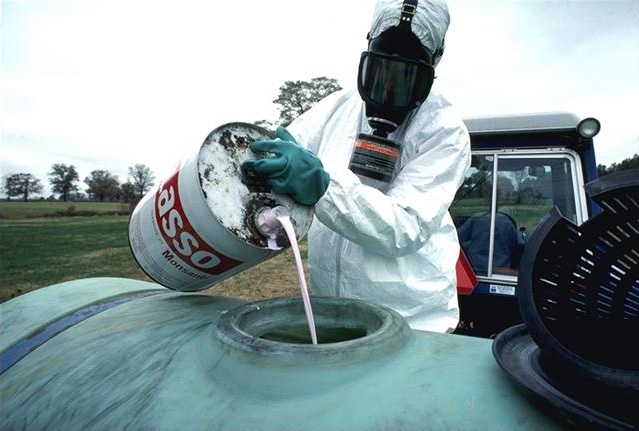
Image from Wikipedia...Gives new meaning to "food safety," eh?
The GMO scare has become such a prominent focus in the Real Food realm that I wonder if we have lost sight of the bigger picture.  Of course we should avoid GMOs, of course they are not safe, of course they are not Real Food.  But the dangers of GMOs are only one part of the picture.  We can't let the GMO spectre overshadow the reality of toxic chemicals in our soil and our food supply.  The use of pesticides (insecticides, herbicides and fungicides) and synthetic fertilizers is the cornerstone of industrial farming.  These are the dangerous chemicals that health advocates warned us about so fervently in the past decades (how can we forget Silent Spring?), and we should not lessen our resolve to avoid them now.  Research continues to show that exposure to these chemicals can have serious and lasting health consequences for generations (with an emphasis on negative endocrine effects...ie infertility).
We used to have chickens and ducks.  We currently have goats and pigs.  We know firsthand the costs of organic inputs.  My husband's recent search to find local, less expensive, clean grains to feed the animals we raise for our food has been disheartening.  Most of the growers in our area are using the toxic Agent Orange component, 2,4-D, a carcinogenic and endocrine disrupting herbicide.  One farmer my husband spoke with was quick to claim that his grains were non-GMO, but he admitted he did use 2,4-D...the dangers of which he side-stepped with a bit of spin that sounded like a page out of the county extension agent's handbook.

The move to 2,4-D does not bode well for the future of food.  That herbicide is gaining popularity because it works when Roundup does not.  Yes, you heard me correctly.  We know how toxic Roundup is...but 2,4-D is apparently worse.  (And sold for "home" use as well...let us not forget the toxic lawns that American children play on regularly...2,4-D is one of the most popular lawn herbicides used.)  In fact, Dow and Monsanto have already been seeking governmental approval for their next wave of chemical brews to combat the ever-growing "weed" and pest resistance.  As they all do, this widely used herbicide will contribute to the proliferation of "super weeds," which will herald Big Ag's cry for even stronger poisons.  Where does it end?!


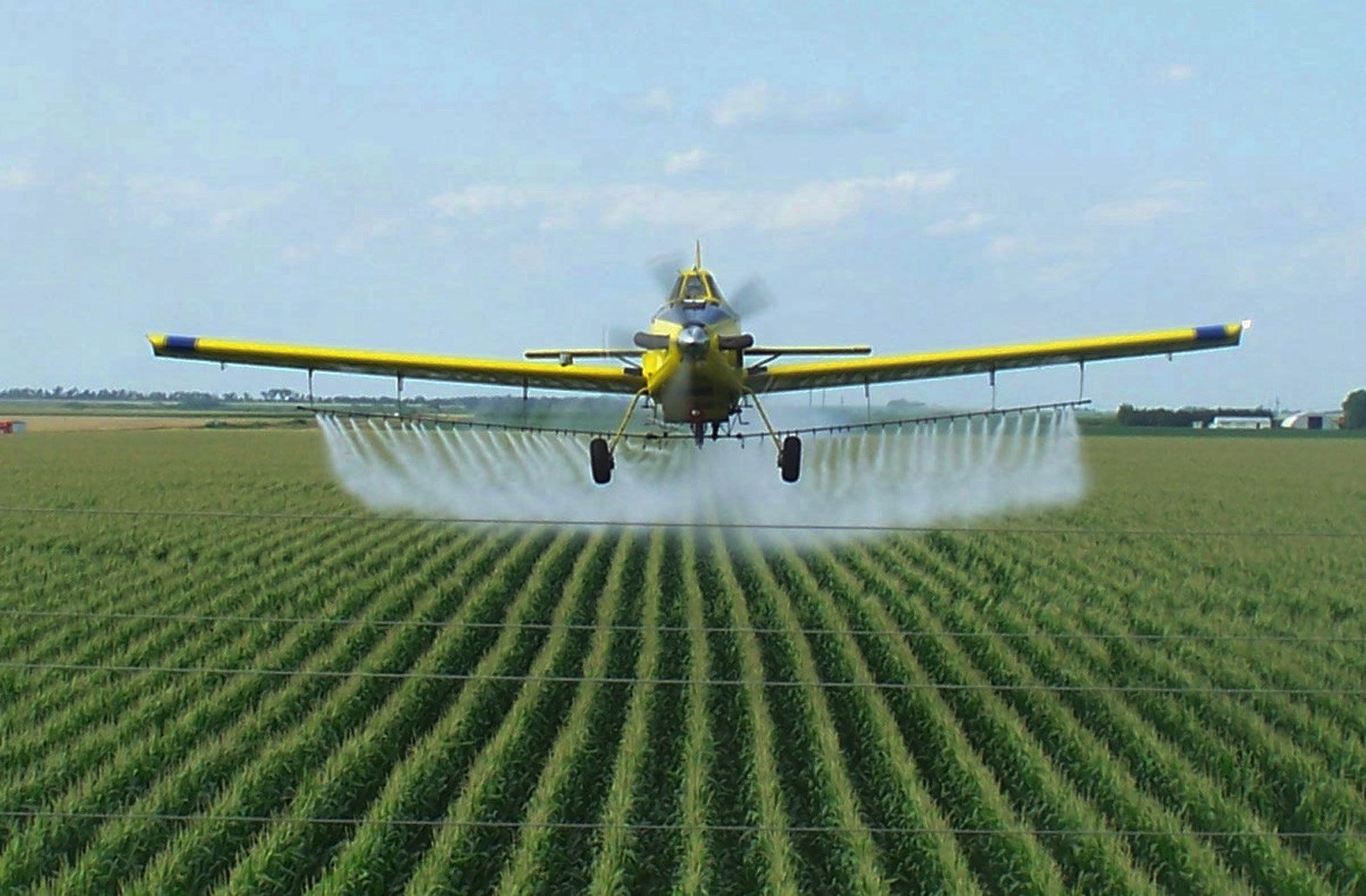
Image from heartlandbeat.com...BigAg food prep.
Perhaps I have an overactive imagination, but I can't help feeling that while the heretofore chemically cautious consumers are being distracted by the evil that is GMOs, the chemical companies are laughing all the way to the bank (as they continue to spread their ever-worsening poisons across America).  Of course, big chem and big biotech go hand in hand, as the increasing use of stronger chemicals is being touted by said industries as necessary for their GM crops.

We need to be wary of losing our original zeal for clean, organic, Real Food.  And because commercial (certified) Organic growers are allowed to use some pesticides (yes, even the synthetic kind), we need to be avid about finding clean food sources or growing our own.  If we become lulled into a false sense of security by focusing solely on GMOs, we will return ourselves to the days of eating poison and paying the piper with our physical demise and our children's compromised health future.  The costs of complacency are too high.  

Yes, truly organic food is more expensive, but what is your health worth?  Your children's health...their brain function, immune function, future fertility?  Why are we fooling ourselves into accepting the industry's chemical brews?  Perhaps we need a reminding nudge about what we are turning a blind eye to...maybe a "light read" of the many legal chemical pesticides available to food producers.  (Lists are published state by state...check out this one for New York).  We need to remind our friends, our families, our neighbors, ourselves that the chemical toxins in the food supply have serious and lasting deleterious health affects.  

Nontoxic food costs more to produce; it costs more to purchase.  But...Pay now or pay later.  Such is the reality of dealing with poisons in our food.

Revival of Highly Toxic Herbicide
Pesticide Action Network: Pesticides on Food
2,4-D Fact Sheet
Farmer Speaks Out Against 2,4-D
Big Ag Doesn't Want You to Care about Pesticides
Pesticide Exposure Linked to Adverse Affects Three Generations Later
Beyond Pesticides (Consumer Safety Organization)


Friday, June 20, 2014

Radically Natural POV: Teach Your Children the Three Rs

I once heard a wise man say that if you have children, you are a parent.  It's more profound than it sounds, isn't it?  Being a parent is your number-one, full-time job...it is your life's calling.  Everything else is secondary to it.  And the beautiful privilege and weighty responsibility of any parent is to raise adults...to make people...intelligent, creative, caring, thinking, balanced, self-sufficient, happy, healthy people.  When our children leave our nests, they take with them the bodies we have made for them, the spirits we have nurtured in them, the perspectives we have imparted, and whatever education and indoctrination they received during their formative years...from us and from others.

Monday, April 21, 2014

Radically Natural Recipes: Pit Powder

While it has become common knowledge among women who care that many commercial anti-perspirant/deodorants should be avoided for their inclusion of aluminum, it is less common for women to understand that using commercial anti-perspirants at all is undesirable.  Blocking the sweat glands under the arms contributes to clogging the lymphs located there, which can increase toxic buildup in said glands.  We need to sweat...it is an essential component is detoxification.  To keep your lymphatic system running cleanly, ditch your anti-perspirant and use the natural solution:  coconut oil and "pit powder."

Coconut oil is a wonderful "deodorant," as it is naturally anti-microbial/anti-fungal.  These properties aid in destroying the stench-causing microbes that live on your skin.  Added bonus: coconut oil heals chafing and creates baby-smooth skin.  I use it plain as my facial moisturizer, and as a base in homemade lotions.  Coconut oil is a veritable face and body healing/beauty balm.


I shower in the evening...love to go to bed squeaky clean.  I apply coconut oil liberally after the shower, including under my arms.  In the morning, I apply pit powder.  It's really not necessary, I find, to apply the powder at night before bed.  I also don't need to reapply coconut oil in the morning.  This system works for me.  You can play with it and see what combination works for you.  


(Health FYI: body odor is directly connected to gut dysbiosis and pathogen load.  You will notice significant decreases in body odor and bad breath after doing gut healing and anti-candida protocols.  You eliminate toxins through your sweat; this is a necessary and beneficial bodily function.  When you are systemically imbalanced and toxic, your eliminations smell bad.  Learn more from the links below.)

Making your own pit powder is ridiculously simple.  The ingredients help to absorb odors and sweat.  It is not a bullet-proof formula by any means, and it won't stop sweat the way chemical formulations do.  But remember, we need to sweat.  And, whatever you put on your skin gets absorbed into your bloodstream.  So a little less-stinky sweat is better than using chemical cloggers.


To make pit powder


Mix equal parts:
  • Baking soda 
  • Bentonite clay (I like Pascalite)
  • Arrowroot powder 
I make a large batch and store it in a half-gallon mason jar.  I transfer smaller amounts into shaker jars for application.  Into one cup of pit powder, I add 10 drops of whatever essential oils suit my fancy (a favorite is DoTerra's Citrus Bliss).  Stir well and cap.  To use, just sprinkle powder in the palm of your hand and apply as needed.  A little natural moisture does help the powder to "set," so if your pits are bone dry, you might apply a thin layer of coconut oil first.

(This post is shared at Real Food Wednesday, check out the great links there!)


Read More

What in Your Bathroom Is Making You Sick?
You Detox Through Your Armpits

Saturday, March 29, 2014

Vaccination and the "Scientific Method"

I read this week one of the most succinct, thoroughly researched presentations on the continually raging vaccine controversy.  I wish I had written it!  LOL 

The author highlighted numerous important aspects of this issue, including individual rights, medical efficacy and scientific veracity.  She echoed sentiments and research I have presented, and she emphasized a key component to the controversy: the illegitimate "scientific method" used in vaccine safety trials.  The double-blind placebo controlled trial is the empirical standard of medical science.  But vaccine trials don't use this method.  


You see, vaccines are not research effective because they are not subjected to double-blind placebo controlled studies using a saline solution that is the standard for evidence-based medicine. Vaccinations are tested against other vaccinations, adjuvants, and complex vaccinations – this not only yields inaccurate results but altered and inaccurate safety data. How can you know if something is truly safe if it is not tested against a placebo? -- Megan Heimer, Livingwhole.org
It seems to me that even people who trust that pharma companies are using honest, objective scientific methodology to test their drugs (I am not one of those people) would assent to the falsity of the vaccine safety test methods.  Other drugs are not (supposed to be) tested thus.

Some people might agree with the unscientific vaccine testing protocol, excusing it by saying it would be "unethical" to withhold a "necessary" medicine from a child (I read this in the comments section on Megan's post).  Hmmmm...are vaccines truly necessary?  The jury is certainly out on that one.  Consider that there are thousands of unvaccinated children in this country alone...many of them by parental choice...not to mention the unvaccinated adults.  No child died after a well-check from not receiving a vaccine, but children have died after receiving their vaccines.  I do not believe it is acutely life threatening to withhold a vaccine, so a legitimate study, even a short-term acute reaction study, could certainly be done.  

Kudos to Megan for her Response to Eliminating Vaccine Exemptions!  


Thursday, March 13, 2014

Radically Natural Remedies: Tincture Making 101

Information abounds online about how to make herbal tinctures.  At the risk of re-inventing the wheel, I wanted to share my basic "quick" method for tincture making.  Creating herbal medicine is both an art and a science.  Various schools of thought exist regarding tincture making and achieving consistent and efficacious potencies.  To learn the secrets of master herbalists and achieve greater botanical medicine wisdom, please study the resources I'll list at the bottom of the post.


This is my alcohol tincture method (most herbalists use the term "tincture" to mean an alcohol extraction)...glycerites are another form of herbal extraction and will be another post for another day.  Why do we tincture in alcohol?  Some botanical constituents are not easily released into water (such as alkaloids, essential oils, resins, etc.); alcohol is the best solvent for extraction.  Alcohol is also a natural preservative, extending shelf life of your tincture.  And, alcohol as a vehicle gets the medicine into the bloodstream and directly to the liver fairly quickly.  The amount of alcohol you ingest when dosing with tinctures is fairly low, and lower still if you dilute your tincture in water when taking it.

When tincturing with alcohol, you want your menstrum (that's the liquid you use for tincturing the herbs) to be at least 40% alcohol, so an 80 proof vodka or brandy is a good choice (proof is the measurement of ethanol in an alcoholic beverage).  I want to use the best quality alcohol I can find when making medicine.  I want to avoid GMOs in my medicine, to say the least.  Because vodka is made from grains, the GMO concern is very real, not to mention the horrors of chemical farming.  Brandy is made from grapes, but I have little expectation that those grapes are not chemically treated in some way (pesticides, herbicides, fertilizers, etc).  I have researched organic alcohol options, but found that the shipping to receive the product costs as much as the product itself, making organic a very expensive option.  My compromise has been to use vodka brands that claim to be GMO-free and alternate vodka with brandy. It's not a perfect solution; if you can't afford organic alcohol, you'll need to choose your rock or hard place, or distill your own alcohol.  LOL

When tincturing your herbs, you want to maximize release of the botanical constituents.  If you are using bark, roots and hard bits, you will end up with more potent medicine more quickly if you grind or blend those bits first.  This allows the plant matter to more efficiently release medicinal and nutritional constituents into the menstrum.  If using leaves and flowers, this step is not necessary, but would not be harmful in the least.

Directions are slightly different when using fresh plant material versus dried because of the amount of water naturally occurring in fresh plant matter.  Fresh herbs require a higher alcohol content because the water released by the herb while tincturing will dilute the menstrum.  Some herbs are more effective if tinctured with fresh material (like Shepherd's Purse, a hemostatic herb), while some react better after drying (like Hops, a sedative herb).  To learn more, see the resources below.  Learning to identify and wildcraft herbs is a wonderful activity, as is growing your own herbs; if you do not have access to good herbs, ordering them from a reputable supplier like Mountain Rose Herbs is your best option.


Herbal Tincture How-To

  • If using fresh plants, tear/chop your fresh leaves/flowers into little bits and stuff a quart mason jar 3/4 full.  If using fresh roots/bark, first grind them and fill jar only halfway (these plant parts will expand in the menstrum).  For dried leaves/flowers, fill jar only halfway (crumble leaves/flowers into small bits).  Dried roots/bark should be ground first; fill jar up to 1/3 full (expect some swelling).
  • For fresh plant matter, use minimum 100 proof alcohol; for dried plant matter, use minimum 80 proof alcohol.  Pour alcohol into jar, almost to top...leave an inch of breathing room, but make sure all plant matter is covered.  Place lid firmly on jar.
  • Label jar with herb name and date; place in dark, cool place for 6 weeks minimum (the longer the herbs tincture, the more potent the medicine will be).  Check jar to make sure herb matter hasn't swollen too much, requiring more menstrum.  The herb matter should be moving freely within the menstrum in your jar when you shake it.
  • Give your jar a good shake every day.
  • When ready, strain the liquid out of the herbs (using a potato ricer, or pouring the tincture through cheesecloth into a bowl/large pyrex measuring cup...squeeze as much liquid out as possible).  Bottle your tincture; store it in a cool, dark place...it should last for years, though potency fades over time.

To Learn More

Making Fresh Herb Tinctures
Mountain Rose Herbs Guide to Making Tinctures
Making a Tincture by Susun Weed
HerbPharm FAQ about Tinctures


Saturday, February 15, 2014

Radically Natural Remedies: Herbs to Correct Female Irregularities

Is an abnormal female cycle the new norm? My instincts and observations will be considered an anecdotal source, LOL, but I'm voting yes...sadly, the female reproductive system seems to be working less efficiently and normally as the decades pass. Truly, empirical data is slim. And infertility rate reports are misleading because they include technological interventions, such as in vitro fertilization, rather than just measuring the number of women who cannot get pregnant after a year of trying without unnatural means.

Clearly, young women are having more trouble getting and staying pregnant than their mothers and grandmothers. The impaired fecundity (problems getting and staying pregnant) rate is higher now than 20 years ago, and primary infertility affects about 20 percent more (married) women now than it did in 1965. It's easy to play with the numbers and manipulate statistics...how much real scientific data do we have that can show us legitimate fertility trends? I think we need to start talking more to each other and women in our communities and searching out fertility stories and trends from the past.

Rates of infertility and irregular cycles are frighteningly high among the young twenty-somethings I know. Dysmenorrhea anyone? Menorrhagia? Oligomenorrhea? These are just latin terms for "your cycle is really messed up." How is this happening, ladies? Well, who hasn't read about the damaging hormones in industrial animal foods and endocrine disrupters in plastics and chemicals (like dioxin)? Consider that BPA exposure can increase miscarriage rates...and that's only one of the toxins getting media exposure...what else is lurking out there? Our hormones are increasingly suffering due to the industrial food supply and environmental toxins. It's not rocket science...though rocket fuel is probably a culprit.

Textbook "normal" cycles average 28 days, and the normal window is currently defined by cycles in length of 24 to 34 days. Your cycle begins the day you start your period. Ovulation "normally" occurs at midcycle, around day 14. The hormone dance that regulates your menstruation and ovulation, and affects sexual desire, include estrogen (specifically estradiol), progesterone, testosterone, luteinizing hormone (LH) and follicle stimulating hormone (FSH). The first half of your cycle is the follicular phase, and after the ovary releases the egg, you enter the luteal phase until your next period begins.

Of course there is variation in what should be considered "normal." But during the baby-making years of a woman's life, her cycle should be consistent and regular (fairly close to clockwork), not drop-dead painful and blood depleting, nor nonexistent. To have an unpredictable cycle, an irregular cycle, is certainly not desirable, nor healthy...but those cycles seem to be proliferating and redefining normal in our modern age.

Irregular cycles include:

  • Menorrhagia: excessive bleeding (often including clots and resulting in anemia), and or prolonged periods
  • Dysmenorrhea: excessively painful periods
  • Oligomenorrhea: irregularly long cycles (more than 35 days between periods with fewer periods in a year)
  • Metrorrhagia: irregular cycles with excessive flow and duration, particularly bleeding between periods
  • Polymenorrhea: short cycles (fewer than 24 days between periods with more total periods in a year)
  • Amenorrhea: infrequent and scanty menstruation (pretty much absence of periods)

Rather than drone on with a "know your cycle" lecture, I encourage you to study the subject and try to tap into older source materials and traditional/historical wisdom.  Perhaps query your grandmother or older women in your social circle about their menstrual histories. I will not delve into the varying causes of irregular cycles and reproductive organ ailments, but I encourage you to study the topic, such as ovarian cysts and uterine fibroids, the effects of excess prostaglandins, and how food and pollution negatively affect your hormone cascade.

In the meantime, let's look at some herbal helps that are intended to balance, tone and correct our cycle irregularities. Numerous herbalists have written on this topic and offer wonderful remedies. I borrow from many great healers and am thankful for wisdom passed down!

Chaste Tree
Some plants contain natural phytoestrogens (ex/ licorice and red clover), some promote the production of progesterone (ex/ sarsaparilla and blessed thistle), and others are adaptogens (ex/ siberian ginseng and ashwagandha) that nourish our adrenals and help our bodies deal with stress. Vitex (chastetree) is a female super herb, benefiting the pituitary gland, increasing progesterone levels, and helping to balance hormones. I recommend purchasing herbs through Mountain Rose. (If you purchase through that link or the ads on my blog, I may earn a small commission...thank you for your support!)


Herbal Estrogen Tea

This tea is to be consumed during days 1 to 10 of your cycle (adjust for your lengths if you can estimate when you are ovulating...stop the tea a couple days before ovulation), and is meant to be consumed in conjunction with progesterone tea, below.

1 part licorice root
1 part angelica root
1 part peony root
1 part vitex
1 part red clover tops

Infuse one ounce of the herb mixture in one quart of just boiled water. Steep for 20 minutes. Strain and drink six ounces, three times daily.


Herbal Progesterone Tea

This tea is to be consumed during days 11 to 27 of your cycle (again, try to adjust dates for your irregularities...).

4 parts sarsaparilla root
2 parts blessed thistle
4 parts raspberry leaf
1 part ginseng root
1 part vitex

Prepare and consume as above.


Herbs for Painful Menstruation

The following herbs are helpful for cramps and discomfort during your period:

  • Cramp bark
  • Motherwort
  • St. John's Wort
  • Chamomile
  • Wild Yam root
  • Valerian root
  • Skullcap

Make an infusion with 1 tsp. each herb, steep for 20 minutes in 2 cups just boiled water. Add some peppermint leaf for flavor and additional analgesia. Alternately, try to find a tincture with those herbs in combination, or buy singles and mix them yourself. Take 30 drops in water as needed (every half hour during intense pain periods).

Essential oils that help ease menstrual pain include lavender, chamomile, clary sage, and marjoram. Herbal oils of St. John's wort and arnica combine with the EOs to make a soothing anti-inflammatory, analgesic rub. If you don't want to source and make your own, buy my product, Labor Oil, which has a following among my midwife mentor's clients as a help for labor pain and headaches.


Herbs to Help with Heavy/Excessive Menstrual Bleeding


  • Shepherd's Purse
  • Yarrow
  • Red raspberry leaf
  • Vitex

You can purchase separate tinctures of these herbs and combine them, taking 3 droppers full every 15 minutes until bleeding slows (for very heavy bleeding); use 2 droppers full every hour for moderately heavy bleeding. To make a tea infusion, combine equal parts of each herb, use one ounce to one quart of boiled water, steep 20 minutes, and drink as needed (teas are less potent than tinctures, so we use larger quantities of tea than tincture).

Thursday, January 16, 2014

Is This a New Era of Normal? Detoxing for Life with Constant Toxic Load

I'm no engineer.  I'm absolutely not brainy with electronics.  Computers and the like regularly set my teeth on edge (as I'm sure is apparent to anyone with any tech sense, LOL).  But every so often, I dream of inventions.  I know I couldn't manage to create them, but I wish someone would!

Friday, December 27, 2013

Radically Natural Book Giveaway: Liver and Gallbladder Miracle Cleanse

I wish you all a healthy, happy New Year and I hope you will consider dedicating this year to healing your body.  Starting with the liver flush protocol is a gift to yourself and your family.  In fact, have your entire family do the cleanse, and enjoy the fruits of detoxifying.  My gift to one of you is the The Liver and Gallbladder Miracle Cleanse book by Andreas Moritz, which I have referenced in my previous posts.  Thanks for entering the giveaway and supporting my work!  Please share this with your friends.  This post is linked at Real Food Wednesday, check out the other great posts shared there this week.  Happy healing!


a Rafflecopter giveaway

Monday, December 16, 2013

Radically Natural Remedies: Flush Your Liver for Systemic Detox

As discussed in my previous post, a liver cleanse is one of the most important steps in establishing or regaining health.  Flushing your liver and gallbladder of stones will reverse numerous maladies and aid systemic healing, including autoimmune and hormonal disorders.  It is true that health begins in the gut, which is why the GAPS protocol is so important.  But health is maintained by the liver.  To be truly well, we must address both.  The GAPS program, combined with a liver flushing program, is an effective therapy for "cleaning house," detoxifying, revitalizing immunity, repairing brain chemistry imbalances, and more.  And what better time to begin your journey of healing than the coming New Year?  I'm not one for "resolutions," but tackling important projects and turning new corners seems apropos at this time.


Whether or not you think you need GAPS (and it is highly likely that you do), a liver flush is an essential key to wellness.  If you are already on the GAPS protocol, adding a round of liver flushes will speed your healing and ensure benefits that GAPS alone cannot provide.  If you have not yet begun GAPS, but plan to do so, this is the perfect time to introduce the liver flush program.  The best news is that a liver flush is neither difficult, nor expensive.  First I will describe the flush, then I will propose a GAPS/Flush schedule.

Monday, December 9, 2013

You Must Flush Your Liver...GAPS Alone Isn't Enough

After years of experimenting and working through various healing protocols, I have found that certain approaches are more efficacious than others.  But I have also learned that we need to combine important aspects of varying approaches.  In my struggles to heal myself and my children from significant allergies, gut dysbiosis and hormonal disruptions, I have discovered what I believe to be effective healing strategies.  As I have shared regularly on this blog, GAPS is an integral part of recovering health.  Numerous ways to modify and enhance GAPS exist, and the program will help you to achieve gut healing.  But to be truly well, most of us need more.  GAPS alone isn't enough, so I have designed what I call GAPS Plus.

Tuesday, November 19, 2013

Radically Natural Remedies: Usnea Tincture

aka: How Hubby's Hunting Helps Healing
(A little alliteration to brighten your day.)

When your husband invests time, effort, money and resources into elk hunting, but comes home empty handed, it can be a discouraging endeavour.  But when he comes home with fistfuls of Usnea, the herbalist in you says, "Elk?  What elk?"

As fall comes to a close, I've gone on a bit of a binge.  The owner of the liquor store raises his eyebrows at the cases of brandy and vodka ("suuuurre...you're making MEDicine...riiighht..."), and the neighbors do a double take when they see the empty bottles standing next to the trash can.  But when it's tincture making time, the alcohol must flow!

I plan in the next weeks to write a series on botanical medicine making, discussing tinctures and oils, and recipes for natural body and home care.  I will share my cogitations about and personal preferences on choosing a menstrum (the liquid in which you steep the herbs for tincture making).

For now, I leave you with a simple recipe for making a potent broad spectrum antibiotic.  Also known as Old Man's Beard, Usnea (OOS-nay-ah or oos-NAY-ah) is a lichen with properties of both a fungus and an algae.  It is effective against gram positive bacterias, such as streps and staphs.

The medicinal constituents of Usnea are not easily extractable in water, so an alcohol tincture is the best preparation.  To make a tincture, fill a jar with the Usnea (fresh or dried...though "fresh" harvested Usnea is already pretty dry) and then pour a minimum of 80 proof alcohol to the top of the jar.  Don't stuff the Usnea into the jar, just pack loosely.  And leave a bit of head room at the top of the jar when filling with alcohol.  

If you don't have access to wildcrafted Usnea, order some from Mountain Rose Herbs.  (If you use the shopping links on my blog, I will earn a small commission...and I thank you!)  To learn more about Usnea, please check out my post about healing sore throats and coughs.  And look at the info on this powerhouse healer at Susun Weed's site, as well as the Eat the Weeds post regarding Usnea identification.


Tuesday, October 22, 2013

Radically Natural POV: Real Food Matters


[On the heels of attending the regional WAPF conference in Portland last month, I had every intention of summarizing my notes and writing about the highlights.  However, life got in the way, as usual.  So until I can concoct radically new material, I wanted to revitalize some older material, injecting my conference enthusiasm into the message.  This week I've been cogitating on how and why Real Food matters so much, for every aspect of our health...mental and physical.  I hope you consider how these truths can be practiced in your lives, or how you might share the gift of nourishing knowledge with others.]

You are what you eat. Trite? Perhaps. True? Absolutely!

Saturday, August 31, 2013

Radically Natural Remedies for Impetigo

Impetigo is a common contagious skin infection producing blisters usually on the face, neck, hands and groin area. These blisters often fill up with or ooze yellow fluid or pus, resulting in honey colored scabs. A bacterial infection, impetigo is caused either by Staphylococcus aureus (in which case, impetigo is also referred to as golden staph) or Streptococcus pyogenes.

In addition to antibacterial botanicals, coconut oil is an effective treatment for impetigo.  Coconut is naturally antibacterial, antiviral, and antifungal.  Among natural healers, coconut oil is know as an effective remedy for yeast infections, and research shows that coconut oil could be an effective weapon against drug-resistant bacteria.  A published study in the medical journal Dermatitis revealed virgin coconut oil's effectiveness in combating Staph aureus.

Monday, August 5, 2013

Radically Natural POV: The Cancer Culture

“Everyone should know that the ‘war on cancer’ is largely a fraud.‘ — Nobel prize winner Linus Pauling, biochemist and father of vitamin C therapy

In my experience, one of the most controversial and contentious health topics aside from vaccination is cancer treatment. A growing number of holistically minded doctors, as well as the public, are beginning to question the efficacy and scrupulousness of the cancer industry’s approach to this disease. The cancer industry has collected billions of dollars for decades, yet has offered no cure to cancer. A five year remission rate is not a cure. That’s the best assurance that the cancer industry offers. But it isn’t a cure.

Saturday, June 1, 2013

Radically Natural Remedies: Top Ten Essential Oils

I love to recommend therapeutic grade essential oils (EOs), as they are potent botanical medicines.  EOs and herbal preparations work wonderfully together, and I classify EOs as herbal (or plant) medicine.  I think of EOs as the "blood" of the plant, and the whole herb matter as its "flesh."  EOs are concentrated sources of plant medicines, and a little bit often goes a long way.  The healing actions of an EO are the same as its herbal counterpart, but produce effects more quickly and powerfully.  EOs (as well as herbs) have been used as medicine in Europe and Asia for centuries.  The French are often credited for pioneering the modern use of medicinal EOs and paved the way for scientific validation of these beneficial and efficacious plant medicines.

Sunday, April 14, 2013

Savoring Life's Happy Accidents


I reflect occasionally on the happy accidents in life ... the serendipitous moments that shape significant creations or beget precious memories.

Saturday, March 23, 2013

Radically Natural Remedies for Winter Ick

This winter seemed to be a particularly long illness season.  Since these bugs like to hang around into spring, I thought it wasn't too late to share some remedies.

In December, I posted a long list of remedies for sore throats and coughs.  I wanted to follow up with a couple of my favorite tips for ear infections and general remedies for colds and congestion.  I'm thankful that my family did not suffer bounceback infections this winter.  I think we got one mild upper respiratory bug that lasted a few days.  Aside from a nourishing Real Foods diet with regular consumption of homemade gelatinous broths, a basic remedy repertoire can improve or ensure wellness.

Friday, March 15, 2013

Skipping Intro Will Hamper Your Success with GAPS

If you don't do GAPS Intro, you aren't really doing GAPS...you're basically just eating paleo.  Believe me, I know Intro is a challenge.  But if you skip the "I eat, sleep, breathe, dream homemade soup from meat stock and bone broth" part of GAPS, you won't experience the complete healing that you seek.  The Intro portion of the GAPS protocol is where the lion's share of the gut healing work takes place.  The goal of the GAPS program is to heal the gut lining, destroy the malevolent pathogens living in your body, repopulate your beneficial flora, and detoxify your entire system.

Thursday, February 28, 2013

When to Be Thankful for Medical Intervention

[The following will be the most personal and emotional post I have ever shared, and may contain some cathartic rambling. I need to work things out in my head and it helps me to write...in a sense, this is my personal “de-briefing” brain dump. I apologize in advance for its length, scope and potential circumlocutions. Thank you for being my “sounding board.”]


It is no secret that I am concerned about the broken modern medical system that can create problems rather than heal disorders/malfunctions/ailments and promote lifelong wellness. Yes, there are doctors who break out of the mold of their conventional training; they question the establishment’s paradigm and pursue holistic education, learn Real Medicine, and adopt skills and a knowledge base that can be of genuine value to ailing people.

But these practitioners seem to be the exception, not the rule. The medical industry is dominated by drug companies and “little gods in white coats.” Corruption, ego, profit-seeking, as well as protocols and treatments driven by limited paradigms and legal pressures conspire to create a bloated system that is impotent to effectively treat ailing health, systemic malfunctions, chronic illness, autoimmune disorders, and more. Truly, the system needs more groundbreaking doctors like the late Dr. Mendelsohn, a self-confessed medical heretic who upheld holistic principles of wellness and healing, and who encouraged parents to eject from the system, taking direct control of their children’s health.

[Here is the cliff notes version of a planned post that will likely not see the light of day: In my opinion, well child checks are a waste of your time and money. You can and should learn to be your child’s own pediatrician, you just need some study and basic tools (books, otoscope, stethoscope, blood pressure cuff, basic herbal and homeopathic kits, etc). Maternal instincts are divine...hone them, trust them. Save yourself the headaches of fighting the fear-based, drug-driven system and protect your child from unnecessary treatments and vaccines. Learn to follow your gut; should you feel you need to do so, seek help for your child if he is seriously ill/suffering beyond what you can diagnose and remedy at home. This line will vary for people depending on knowledge base, acquired skills and confidence. But keep learning and practicing and you’ll feel the need to seek help less and less.]

I have long vocalized my vexation with the modern medical system’s limited paradigm of the human body’s functions, responses and healing powers; its approach to wellness and illness; its eagerness to categorize as “idiopathic” whatever malfunctions do not fit into its paradigm or cannot be solved by its limited tools (“WE don’t know what causes X, ergo there IS no cause…”). I am concerned with harms caused by an overblown, malpractice-driven, sometimes fraudulent system. Some elements of the system are downright dishonorable, others simply misguided. There exists a tendency to apply extreme unnecessary interventions or “one-size-fits-all” protocols to every situation. The error of the allopathic technocratic approach is to apply toxic bandaids of drugs and surgeries rather than to achieve healing through effective cures, such as botanical and homeopathic medicines, nutritional healing, and noninvasive physical therapy modalities (acupuncture, reflexology, chiropractic, hydrotherapy, craniosacral and massage, etc.). For as much as the “system” thinks it corners the market on medical knowledge, there are vast mysteries still to be uncovered. The more we know about the workings of the human body, the more we realize we have so much more to learn.

Rather than taking personal responsibility for wellness, people rush to obtain treatments and procedures they don’t really need that won’t truly help. This is not healing, it is not establishing wellness. Unfortunately, such behavior contributes to the perpetuation of a faulty system. People should eject from the regular use of the medical establishment and should studiously take their health into their own hands, establishing and maintaining wellness through a non-toxic lifestyle, genuine nutrition, and botanical medicine.

But within the afflicted conventional medical system exists caring individuals, well-meaning practitioners, and certain emergency procedures and technologies for which we can be thankful. It has always been my opinion that emergency medicine is a necessary and legitimate arm of the modern medical system. While I don’t agree with all its practices and treatments, I find lifesaving medical technologies overall to occupy worthwhile space on the spectrum of healing arts.

The specialized skills and modern technology involved in lifesaving procedures and trauma treatment are often quite advantageous. They can mean the difference between life and premature death. It would be wonderful to see our system enlightened to incorporating nontoxic, natural medicine and modalities into its emergency care system. A multitude of potent, fast-acting herbal and homeopathic medicines exist. Herbal antibiotics can be just as effective, and are certainly safer, than their synthetic pharmaceutical counterparts (which contribute to toxic load and flora disruption); bugs don't easily develop antibiotic resistance to botanical medicines as they do to drugs. But conventionally trained doctors don’t know how to use these herbal medicines. And as long as the medical industry is deeply profit driven (i.e: pharmaceutical companies), these beneficial botanical medicines will not be employed as they should be.

Not all traumas require conventional medical care. Herbal first aid is incredibly potent. When you become intimate with botanical medicine, build a knowledge base of anatomy and physiology, and become confident with healing and triage skills, you can treat most accidents and illnesses at home without suffering the negative side effects of conventional medical treatments. We can often successfully remedy minor breaks and dislocations, wounds and poisonings, infections, even cardiovascular and respiratory malfunctions and much more.

But sometimes the nature of accidents and ailments require emergency medical treatment, the legitimate protocols and technologies of the modern medical system. This is when modern medicine can serve a valuable purpose. I have long said that if my husband were to cut off his arm in a chainsaw accident, I would take him to the ER and pray for a competent surgeon. But I would perform post-op wound and infection care at home (you would be astounded to see the power of certain plants, like plantain, comfrey, shepherd’s purse, cayenne, garlic and usnea).

A particular pet peeve of mine is the fear-based birth industry, whose standard protocols...driven both by a flawed technocratic paradigm and inflated legal concerns...suppress and subvert the normal physiological processes of labor and birth. The perpetual medicalization and technological intervention of normal birth violates women and babies. The system treats all births as potential traumas and subjects laboring mothers to practices and interventions that hinder the natural physiological process of birth, which can lead to negative birth outcomes. But within this system are valuable skills and technologies that are appropriate for the minority (approx. 5%) of at-risk women and unforeseen pregnancy and birth complications.

The current system is backwards and needs an overhaul so that our medical culture expects, upholds and encourages the power and beauty of normal birth. As in some European models, our birth system should be one where midwives are the primary caregivers and women are expected to birth normally and naturally, supported by midwife (“with woman”) attendants. But OBs, as complication, trauma and surgical specialists, play an important role in serious emergent conditions of both pregnancy and birth. The OB would be an assisting member of the midwife-led team, prepared to attend to the minority of women who require more invasive medical care. This would be a valuable system that provides appropriate care for all unique women; when the rare occurs, and what is ordinarily a natural, risk-free physiological event becomes a life-threatening trauma, a solution exists.

Professional midwives are pregnancy and “birth as a natural physiological process” experts. While we embrace a holistic paradigm of natural physiological birth that requires little interference and often only support and assistance, well-educated and well-trained midwives can competently manage and treat many difficulties that arise during pregnancy and birth, even traumas to mother or baby (such as hemorrhage or neonatal resuscitation). Typically a holistic midwife sees herself as an assistant to the birthing mother, an emotional encourager and physical attendant responding to the mother’s needs, and as a lifeguard sitting by and carefully observing. But a well-trained midwife has tremendous technical abilities and instincts, with her hands, her observational skills, and her intimate knowledge of her client serving as her most important tools.

Rather than relying on sometimes unreliable and potentially harmful diagnostic devices, a midwife uses her hands to assess a woman’s pelvic capacity to birth, the size and position of baby during the stages of pregnancy, and more. A homebirth midwife can manually perform procedures for birth complications that in a hospital setting would often result in a surgical delivery, such as assisting a woman to birth her breech baby, or resolving a shoulder dystocia during birth. Midwives have the skills to assist prolonged and difficult labors, helping to shift malpositioned babies and encouraging the laboring woman to choose a position that facilitates the birth process and preserves the perineum (hint: the typical hospital position for pushing, semi-reclined with knees drawn to chest, feet to buttocks, is detrimental to the perineum and can slow baby’s birth progress). As opposed to the industrial protocol episiotomy, a violation of a woman’s body and natural birth processes, the midwife performs perineal support when needed to allow those resilient tissues to stretch and accommodate baby’s descent. And when a perineal/vaginal tissue tear occurs (which is far less common with proper birth position and perineal support), the midwife has the tools and skills to repair it. If faced with a difficult birth, a skilled and knowledgable midwife can stop hemorrhages, perform bimanual uterine compressions if necessary, treat shock, and even resuscitate a nonresponsive newborn. I could go on, but I think you get the picture. If unanticipated complications occur, the midwife is prepared. And this preparation includes the wisdom to know when to seek outside assistance.

For a healthy woman assisted by a skilled midwife who has provided intimate, continuous, hands-on prenatal care, the home is the optimal birthplace: safe, comfortable, risk-free (from both foreign pathogens and the cascade of unnecessary interventions). The majority of women can pursue birth as as the beautiful, natural, empowering event for which our bodies were designed.

But there are times when complications can occur beyond a midwife’s toolbox of skills and equipment. There will be potential clients who should be screened out as homebirth candidates because of health risk factors. There may arise complications during a pregnancy that require medical treatment, such as pre-eclampsia. As disappointing as it is, there are times when a technocratic setting may be the safest birth route for the at-risk woman and baby. There will be times when nothing but an emergency technology will do. OBs are trauma and surgical experts. If you are a member of the 5%, the technical obstetrical approach can be helpful, even necessary.

I have a “passionate” personality. I become easily indignant at injustice. In large part, portions of the modern medical system and the modern birth system are unjust, even harmful. But despite my frustration with this system, I have given intellectual assent and neutral respect to the careful use of lifesaving emergency medical procedures. But now, I am personally thankful for the appropriate use of medical technology because on February 12-13, 2013, it saved my life.

On February 12, I suffered my third miscarriage. This one was shockingly fast. I had no major impending signs, only a few spots of brown (which means “old”) and pink-brown blood throughout the day...nothing more, no cramping, no increase in bleeding. So, I was devastated when my water unexpectedly broke early Tuesday evening and I instantly birthed my lifeless 14-week-old baby boy. Immediately, I began bleeding like a slow faucet and soon after started slipping into shock.

This was unlike my other miscarriages. It was violent and traumatic. I felt myself losing consciousness as I bled and passed clots...this was all within five minutes. If I had been treating “the client,” I would have immediately dosed with aconite, cayenne and shepherd’s purse (anti-shock and anti-hemorrhagic remedies). Maybe it would have worked...it has done before, in other situations. But I was not in a position to treat myself. And I knew that I was hemorrhaging too quickly beyond what I could control...that I needed help. As someone who does not use the medical system, I do not take this lightly. But I know enough from my midwifery studies to know that losing consciousness while hemorrhaging is highly undesirable and potentially fatal. This was the only reason I would consent to a transport to the hospital...I felt my life was seriously at risk. My husband got me down on the bathroom floor and called an ambulance. The rest of the event is a bit of a blur.

The average woman has eight to ten pints of blood in her body. A blood loss of 40% can cause death. A massive hemorrhage is defined as a loss of total EBV (estimated blood volume) in 24 hours, or a loss of half of EBV in three hours. Blood transfusion is necessary to avoid death. “Obstetrical hemorrhage is often acute, dramatic, and underestimated. Postpartum hemorrhage is a significant cause of maternal death.” (Society of OB/GYNs of Canada, Hemorrhagic Shock document)

Medical professionals agree that blood loss, something difficult to visually assess, is regularly underestimated. We estimate that I lost two pints of blood before the ambulance arrived. At the hospital, between the time I arrived hooked up to the saline IV and the time I quickly began crashing, the blood loss was approximately another two pints. Between those events, sensing my husband's concern at the possibility of inappropriate interventions (such as hysterectomy), the OB did not push us into immediate surgery. However, the ER team erred initially by not administering what should be standard protocol for a woman who arrives in a state of hemorrhage...anti-hemorrhagic uterine clamping drugs, such as methergine, pitocin, cytotec.  Most medical professionals would agree that this error did contribute to the crash that followed.  (Such is the risk of living in a small town with a small hospital.)

Our bad situation turned worse quickly as my bleeding increased and I went from mild to moderate hemorrhagic shock; my husband knew that despite the “vitals” looking semi-reasonable (BP, pulse, etc), I was slipping away. Diagnostics are limited. Machines and tests can tell us only so much about what is going on inside the body. In diagnosing any ailment, labs can look “normal,” stats can appear acceptable, and you can still be very ill. These tools are imperfect, limited indicators of what is going on physiologically; they are not flawless representations of reality, they have neither God-like knowledge nor x-ray vision. My body rapidly degraded from a Class 3 to a Class 4 hemorrhage, but because my husband’s instincts made him insistent, I was not lost.

The man who knows me best observed me and knew I was dying. I knew it, but was not lucid enough to participate, and I believe that the OB saw it as well. (They told me later that my pallor was alarming...that I was “whiter than a sheet,” that I looked like a body in a casket. The OB told me she was instantly concerned when she observed my blanched lips.) The OB seemed relieved that my husband insisted upon whatever emergency lifesaving measures were necessary (of course wanting to avoid hysterectomy), and that he did not bat an eye at the course of blood transfusion.

The Bible says that the “life is in the blood.” I have never before understood that fact so intimately. As I lay in the ER, my body suffering the shock of a major hemorrhage, I felt myself dying. It was a physically painful and emotionally horrific experience. In addition to the physical experience (extreme coldness, shaking, loss of sight and sound, gushing blood), I felt my life leaving my body with all that blood. It is an experience I am unable to adequately express with words, the feeling of my life force ebbing away.

I remember at one point that my husband was leaning over me, speaking urgently to me, telling me to stay awake. I was losing consciousness, and I knew that if I closed my eyes, I would never again open them. I have never been so scared, despite my trust in God. I was not ready to die. I struggled to remain...and then I was taken to surgery, of which I gratefully remember nothing due to the anesthesia. My body continued to bleed aggressively.  The OB worked with difficulty for two hours to stop my uterine hemorrhage while they began my blood transfusion (my husband says the young OB seemed shaken but relieved after the surgery; she later expressed how intense the situation had been). In addition to the difficulty in halting the hemorrhage, during the surgery, my heart suffered arrhythmias. No doubt!

The OB told me later that despite making multiple passes through my uterus and removing all its contents, despite giving me every drug she could to stop the hemorrhage and get the uterus to contract; despite performing bimanual compressions...the bleeding simply would not stop.  She had the ER doctor come in to do ultrasound while she went through the uterus again, hoping to find something she had missed, to no avail.  She said she was mentally preparing to begin a hysterectomy (which she knew we did not want) to save my life when the bleeding finally just slowed and stopped.  What an answer to the prayers of my husband, pacing alone in a waiting room!  It was a miracle that saved us from the limitations of "rural medicine," as our local hospital does not have the expertise or the equipment to perform procedures that can arrest uterine hemorrhaging far less detrimental, invasive and permanent than hysterectomy, such as B-Lynch suturing, uterine arterial ligation, or uterine arterial embolization.

Before being released from the ICU two days later, I had received six pints of blood along with additional platelets and plasma; even after that, my hemoglobin and hematocrit levels were lower than normal and I still feel weak. Under normal circumstances, it takes 90 days for the human body to replenish its red blood cell levels. After traumatic blood loss, it takes the body longer to return to "normal."  I should be “renewed” in four to six months. The life is absolutely in the blood.

The medical technology of a blood transfusion restored my life. Risks? Side effects? Sure...of course...risk of allergy to the blood during transfusion. Fatal risks of overuse of the fluid resuscitation (saline IV). Risk of future infection from the blood transfusion (yes, blood products can be dangerous...at this point, I cannot read anymore articles about the risks I endured on that front; it was our only choice to avoid death). Risks of iatrogenic death simply due to my being subject to all those procedures. Risk of contracting an illness or infection from spending time in the hospital. Side effects of having my body subject to numerous chemicals and drugs. But I was dying. And now I’m alive. I survived the risks thus far and cannot allow myself to fear any others.

Yes, I’m radical about natural living. But I wasn’t ready to die, so compromises were made. Lifesaving emergency procedures were taken and then I awoke and spent observation and acute recovery time in the hospital. The situation demanded that I be subject to particular protocols. Would I have chosen therapeutic doses of usnea and garlic, vitamins D and C, rather than the pharmaceutical antibiotic insisted upon to “ward off” potential infection after the procedure? You bet your bottom dollar. But that wasn’t a protocol fight I could fight at that time. (I immediately began dosing myself upon returning home.) Acceptable compromise. At least no one tried to give me a vaccination. That would have been a fight I would refuse to lose.

Sure, now I need to add an intense couple weeks of GAPS Intro into my recovery scheme, to combat the pathogenic overgrowth I’m already feeling. But I know the drill. The anesthesia drugs that were given to me to put me out for the two to three hour desperate, multiple pass D&C procedure? I’m not going to regret that; I’m glad to some degree that I wasn’t awake and aware (though I do feel the need to understand everything that happened to me while I was “out”). I’ll happily add some extra liver detox boosts and juicing during my GAPS Intro recovery boot camp. I need to consider it a small price to pay for defying death. I will take time now to heal, to detox my body, to re-establish flora and gut health, to use nutrients and anti-infectious herbs to support my immunity. I would prefer to see the emergency medical system rely less on pharmaceuticals and more on healing botanical medicines for certain aspects of treatment, but that is not their way. With the good (but not without its risks) lifesaving technology comes some bad… But I’m here to talk about it, and that’s what matters to me today. The appropriate use of medical skill and technology can save lives.

I will continue my studies and training to become a knowledgeable, skilled, professional midwife, acquiring the techniques and instincts to assist and empower women to birth their babies naturally at home, and to attend to any complications and traumas that I can. But I have a renewed understanding about the importance of carefully screening homebirth candidates and providing intimate continuity of care during the prenatal year (watching diligently for anemia, malnutrition, and other underlying health complications). I understand in a very personal way that some women might suffer complications that cannot be treated without medical intervention.

In future, when I encounter a genuinely high-risk client or acute life-threatening trauma that only specialized technology can treat, I will be thankful to have a working relationship with a respectful and skilled (and hopefully holistically minded) OB. Words cannot express how saddened I am to think that I may never become pregnant again.  Of course, this is not something that I or anyone can know with certainty.  The unusually aggressive D&C procedure likely scarred the interior of my uterus, which can make it extremely difficult for the embryo to implant.  This is the devastating reality of my survival.

Life has a way of educating us, and I pray that my experiences will become valuable to others; my pattern of hyperemesis (extreme nausea and vomiting) during pregnancy no doubt lead to anemia, increasing risk of hemorrhage. I experienced this with my third birth, but we were able to control the hemorrhage at home and all was well after my recovery. My miscarriage this September left me weak, likely anemic, and the hyperemesis of this (quite unexpected) pregnancy undoubtedly contributed to further anemia, spurring the hemorrhage, which seemed out of my control. Might I have stopped the hemorrhage with aggressive use of herbs and manual compression? Possibly, if I had been in a state of mind and body to tend to my own care. But that didn't happen, and without the blood transfusion, I would have died.

Can I safely become pregnant again? Possibly.  Will my uterus be able to accept and support another baby?  I don't know...  Will this traumatic event throw my hormones into havoc and possibly bring on early menopause?  Quite possible, even probably.  But I still hope to have another child.  If my body can get past the hurdles and conceive again, the greatest risk is of another miscarriage while anemic.  As opposed to a full term pregnancy, the body's blood volume is not great enough in the midst of a pregnancy to compensate for traumatic blood loss during a second term miscarriage.  The uterus is fuller and the placenta does not birth directly after the baby; the process is much more drawn out, which means significant and constant bleeding from the uterus.  The uterus cannot clamp down/contract closed while products of pregnancy are yet retained.  The extreme bleeding, coupled with anemia, set the scenario for deadly hemorrhage.

I don’t know if I can heal the underlying malfunctions causing my pregnancy difficulties. I am hopeful but not prognosticating.  I am praying for wisdom and healing.  But I am so thankful that I have three live children, my miracles, whom I love beyond telling.

Now, I recover. It’s strange, but I’m feeling like I’ll never be normal again. I’m sure that will pass in time. I can’t quite put it into words, though, but I feel like I’m not all here...that some part of me didn’t come back with the rest of me. I have no doubt that the emotional and physical losses will take time to heal. I just feel...different. I don’t think I ever before fully comprehended how fragile life can be. Things look and feel different to me now. Perhaps I have a new lease on life, as they say...a renewed sense of purpose. It is time for me to seriously assess how I should live the remainder of this life. In the last six months, I turned 40, lost two babies to miscarriage, and almost died. Needless to say, I’m entering an intense life re-evaluation mode. I believe that means more undistracted time with my children and husband, and a simplification of my pursuits. I don’t know when I might write again, but I thank you all for your support and I pray that God blesses you!